
Have you ever wondered why people trust a creator on Instagram more than a traditional advertisement? That shift in trust is not accidental; it is the foundation of influencer marketing, one of the most impactful digital marketing strategies today. Brands no longer rely solely on banners or TV ads; instead, they collaborate with creators who already have established credibility with niche audiences.
This guide breaks down influencer marketing in a practical, structured way, explaining how it works, why it matters, which platforms dominate, and how businesses (including small ones) can use it effectively.
What Is Influencer Marketing?
Influencer marketing is a form of social media marketing where businesses collaborate with individuals who have established credibility and an engaged audience within a specific niche. These individuals, known as influencers, create content that promotes a brand’s product or service in an authentic, relatable way.
Instead of direct advertising, influencer marketing leverages trust. Audiences perceive influencers as real people rather than corporate advertisers, which significantly increases the persuasive power of their recommendations. Influencer content typically appears in formats such as:
- Social media posts and reels
- YouTube videos and product reviews
- TikTok short-form content
- Live streams and Q&A sessions
This approach allows brands to integrate marketing messages into content that audiences already consume and enjoy.
How Influencer Marketing Works
Although influencer marketing may appear simple on the surface, successful campaigns follow a structured process designed to ensure alignment between brand goals and audience expectations.
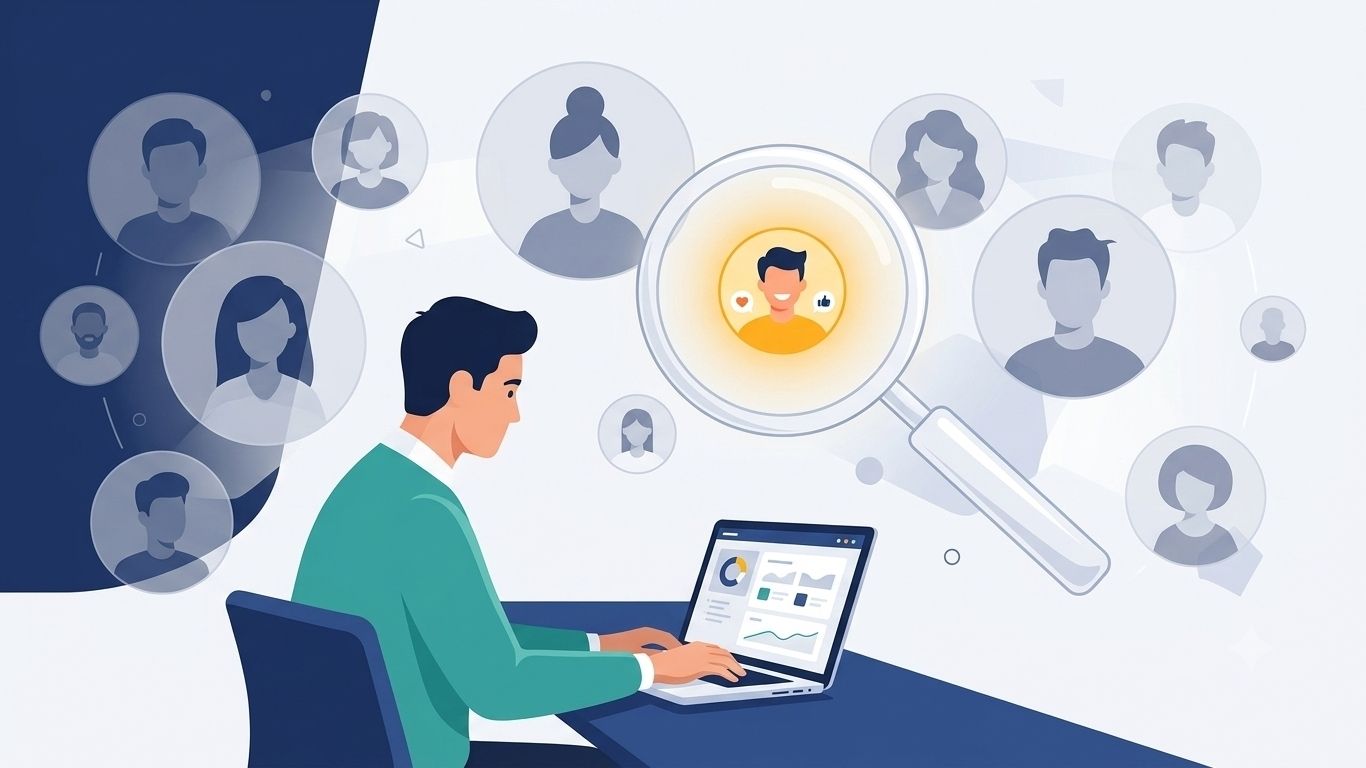
- First, a brand defines its target audience, including demographics, interests, and purchasing behavior. Based on this profile, suitable influencers are identified whose followers closely match the brand’s ideal customers.
- Next, the brand and influencer agree on a collaboration model. This may include sponsored content, product placements, affiliate partnerships, giveaways, or long-term ambassadorships.
- Once the agreement is finalized, the influencer produces and publishes content featuring the brand. Performance is then evaluated using key metrics such as engagement rate, reach, clicks, and conversions.
Many organizations streamline this process through specialized influencer marketing agencies, which manage everything from influencer sourcing to campaign reporting and optimization.
Types of Influencers
Influencers are generally categorized based on audience size and engagement quality. Each category serves different marketing objectives.
| Type of Influencer | Follower Range | Key Strength | Best Use Case |
| Nano Influencers | 1K–10K | High trust and engagement | Local or niche campaigns |
| Micro Influencers | 10K–100K | Strong niche authority | Performance-focused campaigns |
| Macro Influencers | 100K–1M | Broad reach and visibility | Brand awareness |
| Mega Influencers | 1M+ | Mass exposure and celebrity appeal | Large-scale branding |
Nano and micro influencers often deliver higher engagement rates due to their close-knit audience relationships, while macro and mega influencers excel in reach-driven campaigns.
Influencer Marketing Across Major Platforms
Instagram Influencer Marketing
Instagram remains a dominant platform for influencer campaigns due to its visual-first design. It supports storytelling through posts, reels, stories, and live sessions, making it ideal for industries like fashion, beauty, fitness, and lifestyle.
Brands benefit from Instagram’s strong discovery features and high engagement rates, especially when influencers demonstrate real product usage or transformations.
TikTok Influencer Marketing
TikTok has reshaped digital marketing through short-form, algorithm-driven content. It prioritizes entertainment, authenticity, and trends over polished advertising.
Successful TikTok campaigns often rely on challenges, viral formats, and storytelling that feels native to the platform. This makes it especially effective for reaching Gen Z and younger millennial audiences.
YouTube Influencer Marketing
YouTube is best suited for long-form, educational, and in-depth content. Influencers can provide detailed product reviews, tutorials, and comparisons that help consumers make informed decisions.
Because of its searchability and content longevity, YouTube is particularly effective for tech, education, finance, and product-heavy industries.
Key Benefits of Influencer Marketing
Influencer marketing offers several strategic advantages that make it a core component of modern digital strategies.
- One of the most significant benefits is trust. Influencers build long-term relationships with their audiences, which makes their recommendations feel more authentic than traditional advertisements.
- It also improves targeting precision. Brands can collaborate with influencers whose audiences already match their ideal customer profile, resulting in higher conversion potential.
- Additionally, influencer marketing accelerates brand awareness. A single well-performing campaign can expose a brand to thousands or even millions of potential customers in a short time.
- From a cost perspective, it is highly flexible. Small businesses, in particular, can achieve strong results by working with micro or nano influencers on relatively low budgets.
Finally, influencer marketing strengthens social proof when consumers see others using and endorsing a product; their confidence in purchasing increases significantly.
Why Choose an Influencer Marketing Agency?
An influencer marketing agency helps brands run influencer campaigns more efficiently by handling everything from influencer selection to performance tracking. These agencies manage strategy, negotiations, content coordination, and reporting, ensuring campaigns are well-organized and goal-driven. They also carefully choose influencers based on engagement and audience relevance, not just follower count. By outsourcing this process, brands save time, reduce complexity, and improve campaign results through expert planning and execution.
Fulfillit, a digital marketing agency, delivers specialized influencer marketing services that help brands scale effectively through strategic creator partnerships, performance-driven campaign planning, and measurable growth-focused execution.
How to Build an Effective Influencer Marketing Strategy
A successful influencer marketing strategy requires careful planning and clear objectives.
- First, businesses must define measurable goals. These may include brand awareness, website traffic, lead generation, or direct sales.
- Next, the target audience should be clearly identified, including demographics, interests, and online behavior patterns.
- Platform selection is equally important. Visual brands often perform better on Instagram, while trend-driven campaigns excel on TikTok. YouTube is more suitable for detailed product storytelling.
- Influencer selection should go beyond follower count. Engagement rate, content quality, audience authenticity, and niche relevance are more reliable indicators of effectiveness.
- Allowing influencers creative freedom is essential, as overly scripted content tends to perform poorly and reduce audience trust.
Finally, performance must be continuously tracked using KPIs such as impressions, engagement, click-through rates, and return on investment (ROI).
Common Mistakes in Influencer Marketing
Many influencer marketing campaigns fail due to avoidable strategic errors.
- One common mistake is focusing solely on follower count instead of engagement quality. High follower numbers do not guarantee meaningful audience interaction.
- Another issue is neglecting audience authenticity. Influencers with fake or inactive followers can significantly reduce campaign effectiveness.
- Over-controlling content is also problematic. Influencers understand their audience best, and excessive restrictions often result in low-performing content.
- Lastly, failing to measure performance leads to missed optimization opportunities and inefficient spending.
Future of Influencer Marketing
The future of influencer marketing is moving toward more authentic, data-driven, and long-term collaborations between brands and creators. Instead of one-time promotions, brands are focusing on ongoing partnerships that build stronger trust with audiences. Short-form videos on platforms like TikTok and Instagram Reels will continue to dominate as the primary content format.
At the same time, AI-powered tools are improving influencer selection and campaign tracking by analyzing engagement quality and audience behavior more accurately. Live shopping and real-time product promotion are also growing, turning influencer content directly into sales opportunities. Overall, influencer marketing is becoming more transparent, measurable, and performance-focused while still relying on genuine creator-audience trust.
Conclusion
Influencer marketing has become a foundational strategy in modern digital marketing due to its ability to connect brands with audiences in a more authentic and impactful way. Whether working with large-scale influencers or niche creators, businesses can achieve meaningful results when campaigns are strategically planned and performance-driven. By selecting the right platform, building a structured influencer marketing strategy, and prioritizing authenticity over reach alone, brands can significantly enhance awareness, trust, and conversions.
Ready to grow your brand through influencer marketing services in Pakistan? Partner with a performance-driven strategy today and turn creator collaborations into measurable results.
Frequently Asked Questions (FAQs)
What is influencer marketing in simple terms?
Influencer marketing is a strategy where brands collaborate with social media creators to promote products or services to their engaged audiences in an authentic and relatable way.
Is influencer marketing effective for small businesses?
Yes, small businesses often benefit significantly by working with nano and micro influencers. These collaborations are cost-effective and tend to generate high engagement due to strong audience trust.
What does an influencer marketing agency do?
An influencer marketing agency manages the entire campaign lifecycle, including influencer selection, strategy development, contract handling, content coordination, and performance tracking.
Which platform is best for influencer marketing?
The best platform depends on the target audience. Instagram is ideal for visual branding, TikTok excels in viral content and younger demographics, while YouTube is best for detailed product education.
What are the main benefits of influencer marketing?
Key benefits include increased brand awareness, improved audience targeting, higher engagement, stronger trust, and better conversion rates compared to traditional advertising methods.