
According to the Influencer Marketing Benchmark Report 2026, the global influencer marketing industry reached 24 billion dollars in 2024 and is projected to hit 32.55 billion by the end of 2025. That is not a strategy; it is a guess. Learning how to find industry specific influencers for digital marketing is what separates a campaign that drives revenue from one that drives likes nobody can spend.
This matters more in 2026 than it did even two years ago. Most brands still do not have a clear process for finding industry specific influencers for digital marketing, which is why so many campaigns fall flat despite significant budgets. Audiences have grown skeptical of generic brand deals, and platforms have made it harder to fake authenticity. A creator with a massive following but no real connection to your industry will not move buyers the way a smaller, niche specific voice can. The good news is that finding the right partner does not require luck. It requires a process, and that process starts with understanding what industry specific influencers actually mean.
Why Industry Specific Beats Generic Reach Every Time
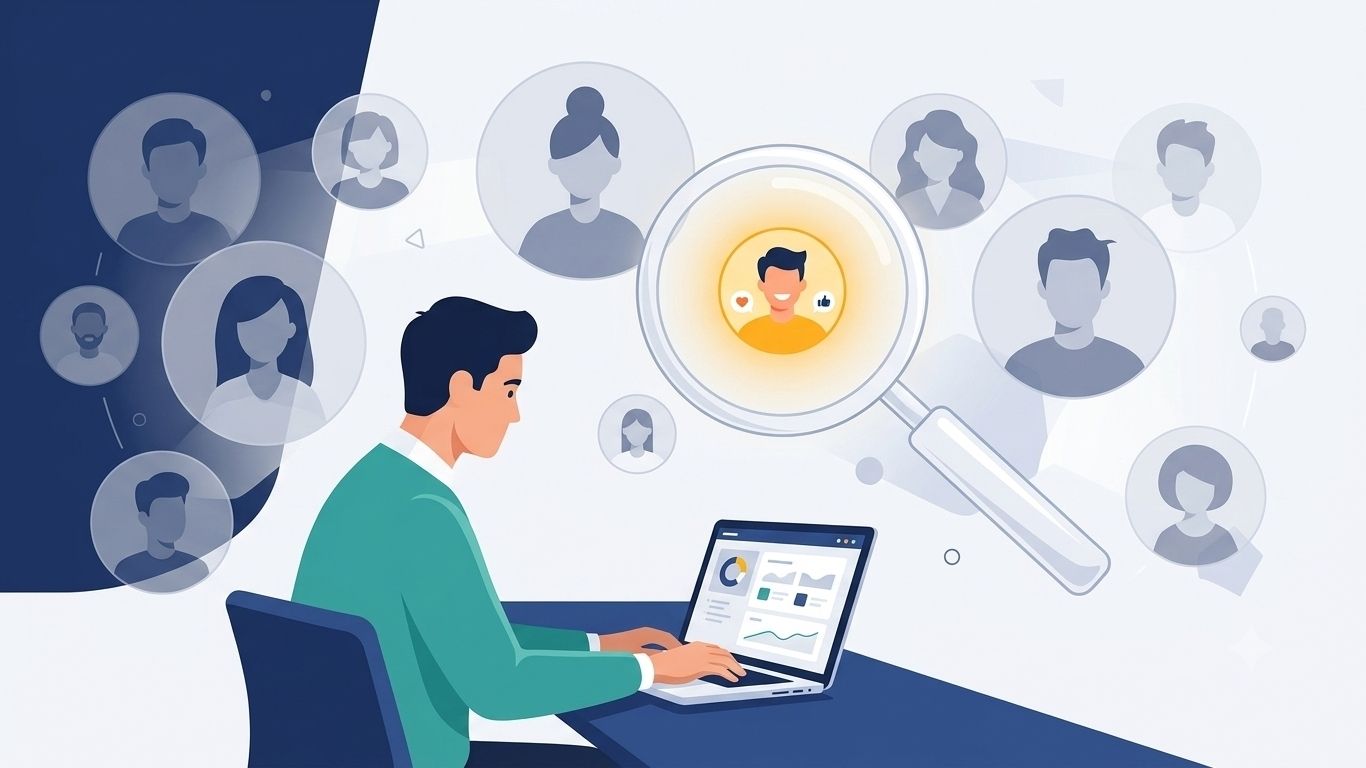
A beauty influencer with two million followers has almost no value to a logistics company or a B2B software brand. Their audience trusts them for skincare advice, not supply chain solutions. This is the core problem with chasing reach instead of relevance.
Industry specific influencers, sometimes called niche specific content creators, build their following around a narrow subject such as fintech, e-commerce, fitness equipment, or local real estate. Their audience demographics line up closely with your buyer persona because the people who follow them are already interested in the category you sell in. Brands that want to find industry specific influencers for digital marketing should prioritize content alignment first and audience size second. A 15,000 followers account with a 7 percent engagement rate in your exact niche will usually outperform a 500,000 followers account with 1 percent engagement and no category relevance.
Hashtag Research for Influencers Is Still the Fastest Free Method
Before paying for any software, spend an afternoon doing hashtag research for influencers manually. Hashtags function as a discovery engine across Instagram, TikTok, and LinkedIn, and most marketers only scratch the surface of them.
Start with core hashtags tied directly to your product category, then expand into tangential hashtags that reflect your audience’s lifestyle and interests. A skincare brand might search core tags first, then branch into related terms like skin barrier repair or dermatologist approved to surface creators with deeper category authority. Filter results by engagement, not just post count. Posts with genuine comment threads, not generic replies, usually belong to creators with real community trust. This single method, done consistently over a week, typically surfaces 30 to 50 qualified candidates before you ever open a paid tool.
How to Find Industry Specific Influencers for Digital Marketing Using the Right Tools
Once manual research has built your initial list, influencer discovery tools help you scale and verify what you found. Each platform on the market in 2026 serves a different purpose, and using the wrong one wastes both time and budget.
GRIN and Influencity work well for e-commerce and DTC brands that want a searchable database paired with relationship management. CreatorIQ is built for enterprise teams running multi market campaigns and offers AI powered semantic search across millions of profiles. BuzzSumo takes a different approach entirely, surfacing creators based on which topics they are actively driving engagement around rather than starting with follower count, which makes it one of the better influencer discovery tools for B2B and content heavy industries. Dash Social adds strong visual analytics for Instagram and TikTok specific campaigns, while SocialBlade remains the simplest free option for checking a creator’s growth history before you commit a budget.
For audience intelligence rather than creator search, Sparktoro stands apart. Instead of searching by follower count, it shows you which podcasts, YouTube channels, and websites your actual target audience already engages with, which often reveals creators a traditional database would never surface. Among the best platforms to find influencers in 2026, the right choice depends less on which tool has the biggest database and more on whether it matches your industry and campaign goal.
Competitor Analysis Saves You Months of Trial and Error
Your competitors have already spent money figuring out which creators resonate with your shared audience. A focused round of competitor analysis can shortcut your research significantly.
Search for your competitor’s brand hashtags alongside disclosure tags like ad or sponsored to see which creators they have worked with. Check their social accounts’ following lists, since brands frequently follow influencers they are courting or have already partnered with. Look for ambassador or partner highlights on their profiles, and check their website for a dedicated creator or affiliate page, which often reveals their exact targeting strategy in plain language. If the same creator appears across multiple competitors in your space, that is a strong signal of genuine category influence worth pursuing.
Social Listening Uncovers Brand Advocates You Did Not Know You Had
Some of your best influencer candidates may already be talking about your industry, or even your brand, without any paid relationship. Social listening tools track these conversations in real time, surfacing brand advocates who mention your product organically and content creators who consistently shape discussion in your category.
This method is particularly valuable for niche marketing, where the most influential voices are not always the loudest. A creator with a smaller following who consistently drives genuine conversation in industry blogs, YouTube channels, or LinkedIn threads often carries more buying influence than a mega creator with a generic audience.
Look Beyond Social Media: Blogs, Events, and YouTube Channels
Industry specific influencers for digital marketing do not live exclusively on Instagram. Established industry blogs often have smaller but highly engaged readerships that convert at a higher rate than social posts. YouTube channels focused on long form reviews, tutorials, and comparisons attract viewers who are further along in their buying decision, since watching a 10 minutes video requires real intent. Knowing how to find industry specific influencers across these non-social channels gives you a significant edge over competitors who only search Instagram and TikTok.
Industry events and conferences are another overlooked source. Recurring keynote speakers and panelists have already been vetted by the industry itself, which makes them credible partners even if their personal social following is modest. For B2B and professional service brands especially, these offline credentials often carry more weight than follower counts ever will.
How to Vet an Influencer Before You Reach Out
A strong shortlist still needs verification before outreach. One of the most overlooked steps when brands find industry specific influencers for digital marketing is skipping the vetting process entirely, which leads to wasted budget and mismatched partnerships. Influencer vetting protects both your budget and your brand reputation, and it does not need to be complicated.
First, calculate engagement rate by dividing total interactions by follower count, then compare it against platform benchmarks: roughly 1 to 3 percent is healthy on Instagram, 5 to 9 percent on TikTok, and 2 to 4 percent on YouTube. Second, review their last 15 to 20 posts for consistency in tone, posting frequency, and brand safe content. Third, check their audience demographics directly through the platform’s creator tools or a discovery tool like HypeAuditor, confirming that location, age, and interests align with your buyer persona. Fourth, look at their history with past brand partnerships, since creators who blend sponsored content naturally into their feed tend to perform better than those who treat it as a separate, obviously scripted segment.
AI tools for influencer discovery have made this stage considerably faster. Authenticity scoring models can flag fake followers and engagement pods within seconds, something that used to take hours of manual review.
Building an Influencer Outreach Strategy That Actually Gets Replies
Once your list is vetted, your influencer outreach strategy determines whether any of this research turns into a real partnership. Niche creators receive dozens of generic pitches weekly, so personalization is not optional.
Reference a specific piece of their content in your first message, state your value proposition clearly within the first two sentences, and keep the initial outreach short enough to read in under thirty seconds. Save the full campaign brief for after they respond. Brands that pair this approach with Fulfillit’s influencer marketing services typically shorten their research to launch timeline considerably, since vetting and outreach are handled by a team that already has working relationships across multiple niches.
Conclusion
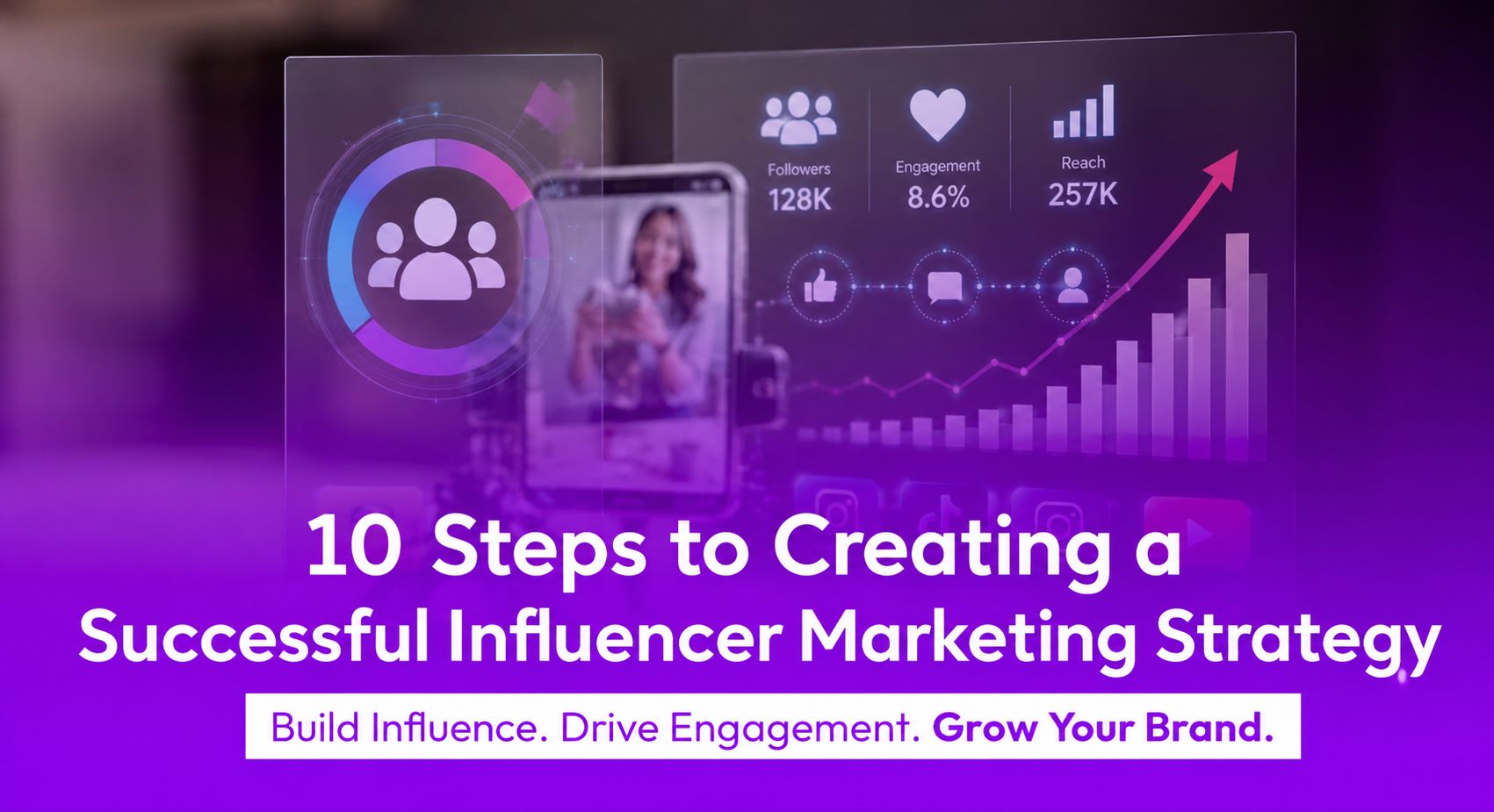
Finding the right creator partner in 2026 is no longer about chasing the biggest name in your industry. It comes down to a repeatable process: research hashtags before paying for tools, study what your competitors are already doing, vet every candidate against real engagement data, and personalize every outreach message. Brands that learn how to find industry specific influencers for digital marketing through this structured approach consistently see better engagement, stronger audience trust, and a clearer return on every dollar spent. For a deeper breakdown of turning a single influencer relationship into a repeatable growth channel, our guide on building a successful influencer marketing strategy walks through the full campaign process step by step.
Frequently Asked Questions
What is the difference between a niche influencer and a generic influencer?
A niche influencer focuses on one specific category and attracts an audience already interested in that subject, while a generic influencer covers broad lifestyle content with a less targeted following. When you find industry specific influencers for digital marketing, you get higher engagement and stronger conversions because the audience match is already there.
Which influencer discovery tool is best for small businesses?
BuzzSumo and SocialBlade both offer accessible entry points for smaller budgets, since they allow content based and growth based research without the high monthly cost of enterprise platforms like CreatorIQ.
How do I know if an influencer has fake followers?
Check their engagement rate against their follower count. An account with hundreds of thousands of followers but only a few hundred likes and generic comments is a clear warning sign. Tools like HypeAuditor and SocialBlade can confirm authenticity quickly.
How many hashtags should I research before starting outreach?
Aim for at least 20 to 30 hashtags across core, tangential, and professional categories. This range is usually enough to surface 30 or more qualified creator candidates without spending more than a few hours on manual research.
Should I use one large influencer or several smaller ones for a niche campaign?
Several smaller ones. When you find industry specific influencers for digital marketing, spreading budget across three to five niche accounts increases relevance, lowers risk, and delivers a stronger combined engagement rate than a single large creator with a diluted audience.