
In today’s digital world, influencer management has shifted from a “nice-to-have” tactic to an essential pillar of marketing for brands of all sizes. Influencers aren’t just people with massive follower counts; they are trusted voices who shape opinions and drive buying decisions every single day.
When done right, influencer partnerships can boost your brand’s visibility, build deep trust with your target audience, and drive real business results. But here’s the reality check: running a successful campaign takes more than just sending a DM or offering some free products.
In this guide, we’re going to break down influencer management in the simplest way possible. We’ll cover what it is, who does it, the challenges you might face, and the tools that make the whole process a breeze.
Importance of Influencer Management for Businesses
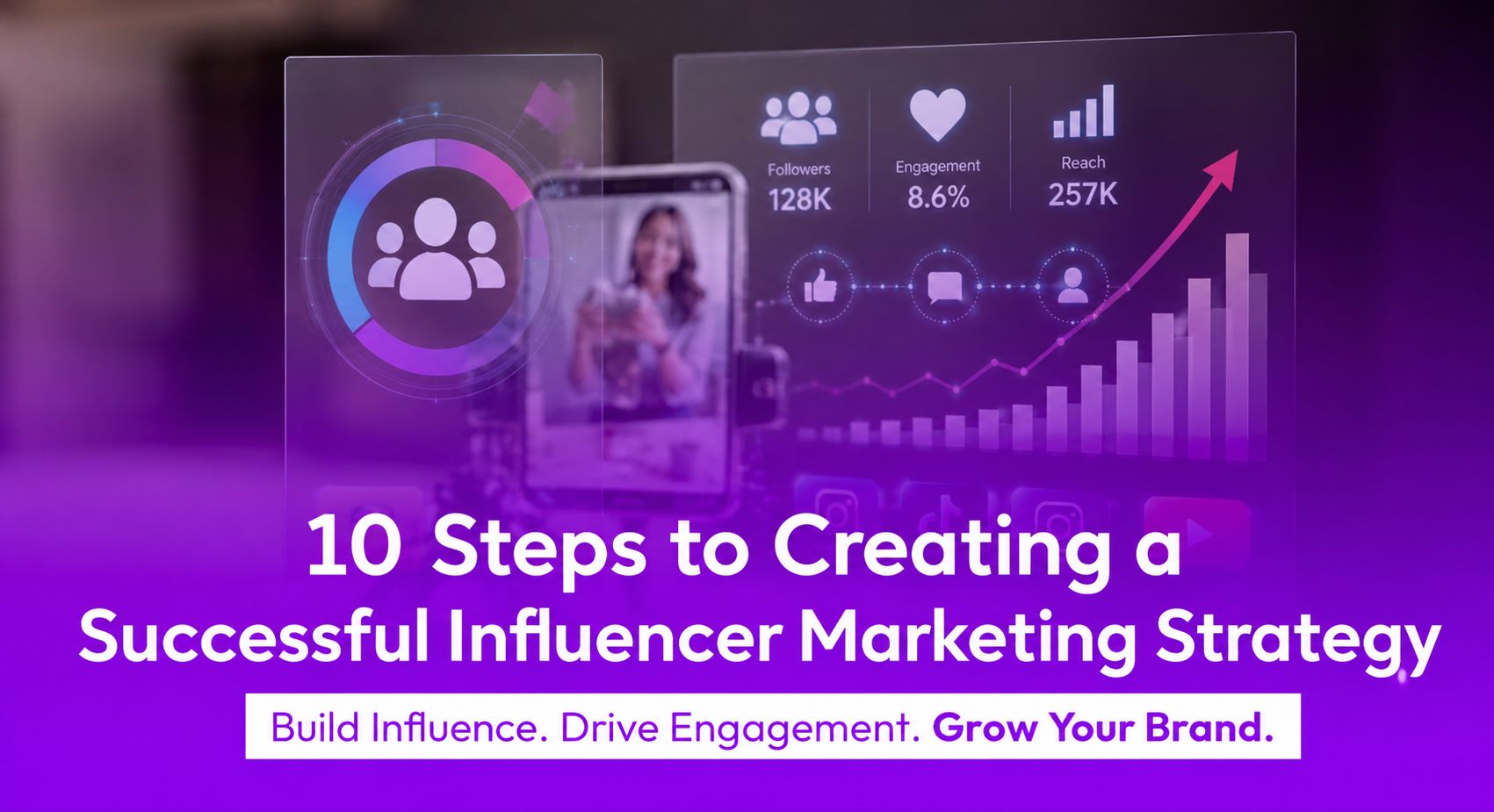
At its core, influencer management is the structured process of planning, organizing, and executing campaigns that enable brands and creators to collaborate effectively. Successful campaigns are never accidental, they are the result of strategic coordination, clear communication, and continuous performance tracking. By managing these elements efficiently, businesses can build stronger partnerships, ensure consistent messaging, and maximize the impact of their influencer marketing efforts.
Why People Trust People
The reason this strategy works so well is simple: people trust other people more than they trust traditional ads. When an influencer shares a recommendation, their audience sees it as a genuine suggestion from a friend or a mentor, rather than just another corporate brand message.
Because of this power, businesses are investing heavily in this space. As platforms like TikTok and Instagram continue to explode in popularity, the opportunity for success through influencer marketing only grows.
Who Handles Influencer Management?
The responsibility for influencer management varies depending on the size and structure of a business. In many cases, it is handled by an in-house influencer marketing manager, while other organizations choose to partner with specialized influencer marketing agencies.
Regardless of who takes on the role, their primary objective is to streamline the entire process, from identifying and vetting the right creators to coordinating campaigns, monitoring performance, and managing contracts and payments. By centralizing these responsibilities, businesses can ensure smoother execution and more effective outcomes without overburdening internal teams.
What Does an Influencer Marketing Manager Actually Do?
An influencer marketing manager does far more than just send emails. They act as the vital link between your brand and the creators, ensuring that both sides get real value from the collaboration. Their daily tasks typically include:
- Designing the strategy: Figuring out the “big picture” for the influencer campaign.
- Finding and connecting: Identifying and reaching out to the right creators.
- Setting benchmarks: Deciding on campaign goals and how to measure performance.
- Managing the workflow: Handling timelines, reviewing content, and ensuring deliverables are met.
- Reporting: Tracking metrics and showing exactly what the brand gained from the partnership.
This holistic approach is what separates professional influencer management from “random outreach”.
Key steps in the Influencer Management process
Successful influencer campaigns follow a well-defined, strategic process. To achieve meaningful results, businesses should approach influencer management through the following key steps:
1. Define Your Campaign Goals
Before engaging with any creator, clearly outline your objectives. Are you aiming to increase brand awareness, drive sales, or launch a new product? Establishing specific, measurable goals not only guides your strategy but also makes it easier to evaluate campaign success.
2. Identify the Right Influencers
One of the most common mistakes brands make is prioritizing follower count over relevance. The key is to partner with influencers whose audience aligns with your target market. Whether you choose macro, micro, or niche creators, ensure their values, content style, and audience demographics are a strong fit for your brand.
3. Create Clear Campaign Briefs
Once you’ve selected the right influencers, provide a detailed and structured campaign brief. This should include content requirements (such as format and platform), brand tone and messaging guidelines, posting frequency, deliverables, and key performance indicators (KPIs). A well-defined brief minimizes misunderstandings and sets the foundation for a successful collaboration.
4. Build Strong, Long-Term Relationships
Effective influencer management goes beyond one-off collaborations. Building long-term partnerships fosters trust and authenticity, making influencers more invested in your brand. Consistent promotion by the same creators often resonates more with audiences and delivers stronger results over time.
5. Track Performance and Optimize
After the campaign goes live, analyzing performance is critical. Key metrics such as reach, engagement, click-through rates, and conversions provide insight into what worked and what didn’t. Leveraging this data allows you to refine your strategy and improve future campaigns.
Role of an Influencer Management Expert in Platform
Whether operating in-house or within an agency, the success of influencer campaigns depends heavily on the expertise of the professionals managing them. Top influencer management experts typically bring the following capabilities:
- Strong Communication Skills: Clear, consistent communication is essential for building trust and aligning expectations between brands and creators.
- Deep Platform Knowledge: A strong understanding of platforms like TikTok, Instagram, and YouTube enables managers to anticipate trends, optimize content strategies, and set realistic performance goals.
- Technical Proficiency: Modern influencer management relies on analytics tools, campaign platforms, and performance dashboards, making technical fluency a critical skill.
For a deeper understanding of how these strategies are applied in real campaigns, you can explore our detailed guide on How Can Social Media Influencer Marketing Grow Your Brand?
Instagram Influencer Management
Instagram influencer management is all about finding the right creators, building genuine relationships, and running campaigns that truly connect with people. It’s not just about picking influencers with the biggest follower counts, it’s about creating smart, strategic collaborations that actually deliver results, often supported by professional influencer marketing services in Pakistan that help brands execute campaigns more effectively.
The most effective approach goes beyond surface-level metrics. Instead of focusing only on follower numbers, successful brands pay close attention to engagement, audience relevance, and how well a creator’s values align with their own. In fact, many brands are now seeing better results with niche and micro-influencers, as their audiences tend to be more loyal and trusting of their recommendations.
Key Aspects of Instagram Influencer Management
Managing Instagram influencers effectively involves more than just collaboration, it requires a strategic approach at every stage. Here are the key aspects that make a real difference:
Discovery & Selection
The process begins with finding influencers whose audience genuinely aligns with your target market. Instead of being swayed by large follower counts, smart brands focus on engagement rates, content quality, and audience demographics. In many cases, micro-influencers outperform larger accounts because they have highly engaged communities, leading to better ROI and more meaningful brand exposure.
Outreach & Negotiation
Once the right influencers are identified, the next step is reaching out and building a professional relationship. This involves discussing campaign goals, deliverables, timelines, compensation, and usage rights. Clear communication and well-defined agreements from the start help avoid misunderstandings and ensure both sides are aligned.
Relationship Management
Strong influencer management doesn’t stop at one campaign. Building long-term partnerships creates trust and authenticity, making promotions feel more natural rather than forced. When influencers consistently collaborate with a brand, their recommendations come across as genuine, which significantly boosts credibility with their audience.
Content Strategy & Oversight
Instagram campaigns can include a mix of Reels, Stories, static posts, and even live sessions. While it’s important for brands to provide clear guidelines, giving influencers creative freedom is equally essential. Creators know their audience best, and allowing flexibility helps maintain authenticity while still achieving campaign objectives.
Tracking & Analytics
No campaign is complete without measuring performance. Brands should track key metrics such as reach, engagement, clicks, conversions, and overall ROI. By analyzing this data, businesses can refine their strategies, identify high-performing influencers, and continuously improve future campaigns.
Advantages of Using Influencer Management Tools
Managing multiple influencer campaigns at the same time can quickly become complex. This is where an influencer platform or influencer management system becomes extremely valuable.
These tools help businesses streamline their entire workflow by allowing them to:
- Discover creators based on niche, audience size, and engagement.
- Organize influencer contacts, briefs, and campaign assets in one centralized place.
- Automate scheduling, approvals, and campaign tracking.
- Monitor performance metrics and generate detailed reports with ease.
Platforms like Traacker, Influencity, Meltwater, and Upfluence are widely used by brands that manage multiple campaigns and want deeper insights into ROI and audience behavior.
How to Make Influencer Marketing Management More Effective
If you’re using an influencer marketing management platform or working directly with creators, a few best practices can significantly improve your results:
Focus on Alignment, Not Just Numbers
Don’t choose influencers based only on follower count. Instead, prioritize audience relevance, engagement, and content quality to ensure a better brand fit.
Give Creators Creative Freedom
Influencers understand their audience better than anyone. Allowing them to present your message in their own authentic style leads to more engaging and effective content.
Be Fair and Transparent with Compensation
Treat influencers as professional partners. Clearly communicate payment terms, rates, and expectations from the beginning to build trust and long-term relationships.
Maintain Consistent Communication
Regular communication throughout the campaign helps avoid confusion, keeps timelines on track, and ensures smoother collaboration overall.
Tips for Sustaining Success
Long-term success in influencer marketing doesn’t come from one-off campaigns—it comes from strong relationships, consistent communication, and a clear strategy.
Personalize Your Outreach
Avoid generic or copy-paste messages. Take the time to tailor your outreach so creators feel that you genuinely value their content and understand their work. A personalized approach significantly increases response rates and builds stronger connections.
Maintain a Professional Approach
Treat influencers as real business partners. Respect their time, expertise, and creative process. A professional attitude not only improves collaboration but also strengthens your brand reputation in the creator community.
Ensure Timely Payments
Paying influencers on time is essential. Delays can harm trust, damage relationships, and negatively impact your credibility within the industry. Consistency in payments helps build long-term partnerships.
Conclusion
When managed correctly, influencer campaigns can deliver measurable growth and create lasting brand impact. Whether you are a brand building your first strategy or working with a digital marketing agency such as Fulfillit, the core principles remain consistent: strategic planning, clear communication, and continuous performance measurement.
Sustained success in influencer marketing depends on how effectively these fundamentals are applied across every stage of the campaign. Brands that prioritize structure and data-driven decision-making are far more likely to achieve consistent, scalable results over time.
FAQs
1. What makes an influencer management strategy successful in 2026?
A successful influencer management strategy in 2026 is data-driven, audience-first, and built on long-term creator partnerships. Brands that perform best focus on performance tracking, creator authenticity, and multi-platform campaigns rather than one-off collaborations. The ability to integrate influencer efforts into broader digital marketing funnels is now a key differentiator.
2. How do brands measure the real ROI of influencer campaigns beyond engagement?
Modern ROI measurement goes beyond likes and comments. Brands now evaluate attribution-based metrics such as assisted conversions, customer acquisition cost (CAC), lifetime value (LTV), and incremental sales impact. Advanced influencer management systems and tracking links help connect influencer activity directly to revenue outcomes.
3. What are the biggest mistakes brands make in influencer management?
Common mistakes include prioritizing follower count over audience relevance, relying on one-time campaigns instead of long-term partnerships, providing overly restrictive creative briefs, and failing to track performance properly. Another major issue is treating influencer marketing as a standalone tactic rather than integrating it into a full-funnel strategy.
4. How is AI changing influencer management and campaign optimization?
AI is transforming influencer management by improving creator discovery, predicting campaign performance, and detecting fake engagement. Many influencer platforms now use machine learning to match brands with high-fit creators, optimize posting schedules, and analyze audience sentiment at scale.
5. What is the difference between influencer marketing and influencer management?
Influencer marketing focuses on the promotional aspect of working with creators, while influencer management is the operational and strategic layer behind it. Management includes sourcing influencers, negotiating contracts, handling workflows, tracking performance, and maintaining long-term relationships to ensure campaign success.